Beyond Plain Rice: Unlocking Rich Flavor with Classic Pilaf
For many, rice is a kitchen staple, a blank canvas awaiting flavor. But imagine transforming those humble grains into something truly extraordinary – a side dish that's not just filling but deeply flavorful, aromatic, and beautifully textured. This is the magic of
rice pilaf, a culinary technique that elevates plain rice to a gourmet experience, making it a star alongside any main course. If you've ever settled for bland, sticky rice, prepare to discover a simple yet profound method that promises fluffy, separate grains bursting with savory depth.
Pilaf isn't just another way to cook rice; it's a centuries-old tradition, perfected across cultures, especially in the vibrant cuisines of the Middle East and Mediterranean. It’s a testament to how a few strategic steps can unlock a world of flavor, turning an everyday ingredient into a celebratory dish. From busy weeknight dinners to elegant holiday feasts, a well-made
rice pilaf is a versatile companion you'll turn to again and again.
What Exactly is Rice Pilaf? The Foundational Technique
At its heart,
rice pilaf is a cooking method rather than a fixed recipe, though countless delicious variations exist. The core technique involves two fundamental steps that set it apart and are crucial for its distinctive taste and texture. First, the uncooked rice grains are *sautéed* or *toasted* in a fat – typically butter or olive oil – before any liquid is added. This initial toasting step is a game-changer, imparting a subtle, nutty flavor and creating a protective barrier around each grain, which helps them remain separate and fluffy during cooking.
Following the toasting, the rice is simmered in a rich, flavorful liquid, most commonly broth, instead of plain water. This infusion of savory broth deepens the flavor profile significantly, making every bite more complex and satisfying. Unlike simply boiling rice, the pilaf method ensures that the grains are permeated with flavor from the inside out. While simple in concept, this two-step process yields a dish that feels far more sophisticated than its humble origins suggest. For those looking to master the basics and achieve consistently delicious results, our guide to
Easy Rice Pilaf: Get Fluffy, Flavorful Grains Every Time offers a perfect starting point.
The basic components of any pilaf generally include:
- Rice: Long-grain varieties like Basmati or Jasmine are popular for their non-sticky texture.
- Fat: Butter or extra virgin olive oil are excellent choices, each lending its own unique character.
- Aromatics: Onions and garlic form the foundational flavor base.
- Liquid: Chicken, vegetable, or beef broth are preferred over water for depth.
- Seasonings: Salt, pepper, and often warming spices like turmeric, coriander, or paprika.
The Culinary Magic Behind Perfect Rice Pilaf
Understanding the "why" behind each step in preparing
rice pilaf can truly elevate your cooking and ensure consistently spectacular results. It's more than just following instructions; it's about appreciating the culinary science at play.
The Power of the Sauté: Flavor and Texture unlocked
The initial sautéing of dry rice grains in butter or oil is arguably the most critical step. This isn't just about cooking; it's about transforming. As the rice lightly toasts, several things happen:
- Nutty Flavor Development: The gentle heat encourages the Maillard reaction, a chemical process that creates rich, complex "toasted" flavors and aromas. This is where a significant portion of the pilaf's signature depth comes from.
- Grain Separation: The fat coats each grain, creating a barrier that prevents them from sticking together. This is key to achieving that desirable fluffy, separate texture instead of a clumpy, uniform mass.
- Structural Integrity: The heat slightly toughens the exterior of the rice grains, making them less prone to breaking down and becoming mushy during the simmering phase.
Choosing your fat also matters.
Butter offers a classic, rich, slightly sweet flavor, while
extra virgin olive oil, particularly when used in Mediterranean-inspired pilafs, imparts a fruity, peppery depth and makes the dish more diet-friendly.
Broth: The Secret to Depth and Richness
While plain water will cook rice, broth *infuses* it with flavor. Imagine the difference between bread made with water versus milk; the latter is simply richer. Similarly, using a good quality chicken, vegetable, or even beef broth transforms
rice pilaf from a bland carbohydrate into a savory, standalone experience. The broth's inherent saltiness, umami, and aromatic compounds penetrate the toasted rice grains, ensuring that every spoonful is packed with a satisfying, multi-layered taste. This simple substitution is what truly distinguishes pilaf from ordinary steamed rice.
Aromatics and Seasonings: Building the Flavor Foundation
Before the rice even hits the pan, gently sautéing diced onions and minced garlic creates an aromatic foundation. Browning the onions brings out their natural sweetness, providing a beautiful counterpoint to the savory broth. The addition of spices like earthy
turmeric (for color and mild flavor), aromatic
coriander, or smoky
paprika further deepens the complexity, transporting your palate to the vibrant markets of the Middle East. It’s these thoughtful layers of flavor that make
rice pilaf such a beloved dish worldwide.
Unleashing Your Creativity: Customizing Your Pilaf
One of the most appealing aspects of
rice pilaf is its incredible versatility. Once you've mastered the basic technique, the possibilities for customization are virtually endless. This isn't just a recipe; it's a framework for culinary exploration, allowing you to adapt it to any meal, occasion, or personal preference.
Beyond the Basics: Exciting Additions
- Vegetables: While onions and garlic are standard, don't stop there. Adding finely diced carrots and vibrant green peas (often found in classic Mediterranean pilafs) introduces sweetness and color. Bell peppers, mushrooms, or even spinach can also be folded in.
- Proteins: For a more substantial main course or a heartier side, incorporate small pieces of chicken, ground lamb, or beef, often seasoned with Middle Eastern spices to create dishes like "Hashweh" rice. Lentils or chickpeas can also be added for a vegetarian protein boost and textural contrast.
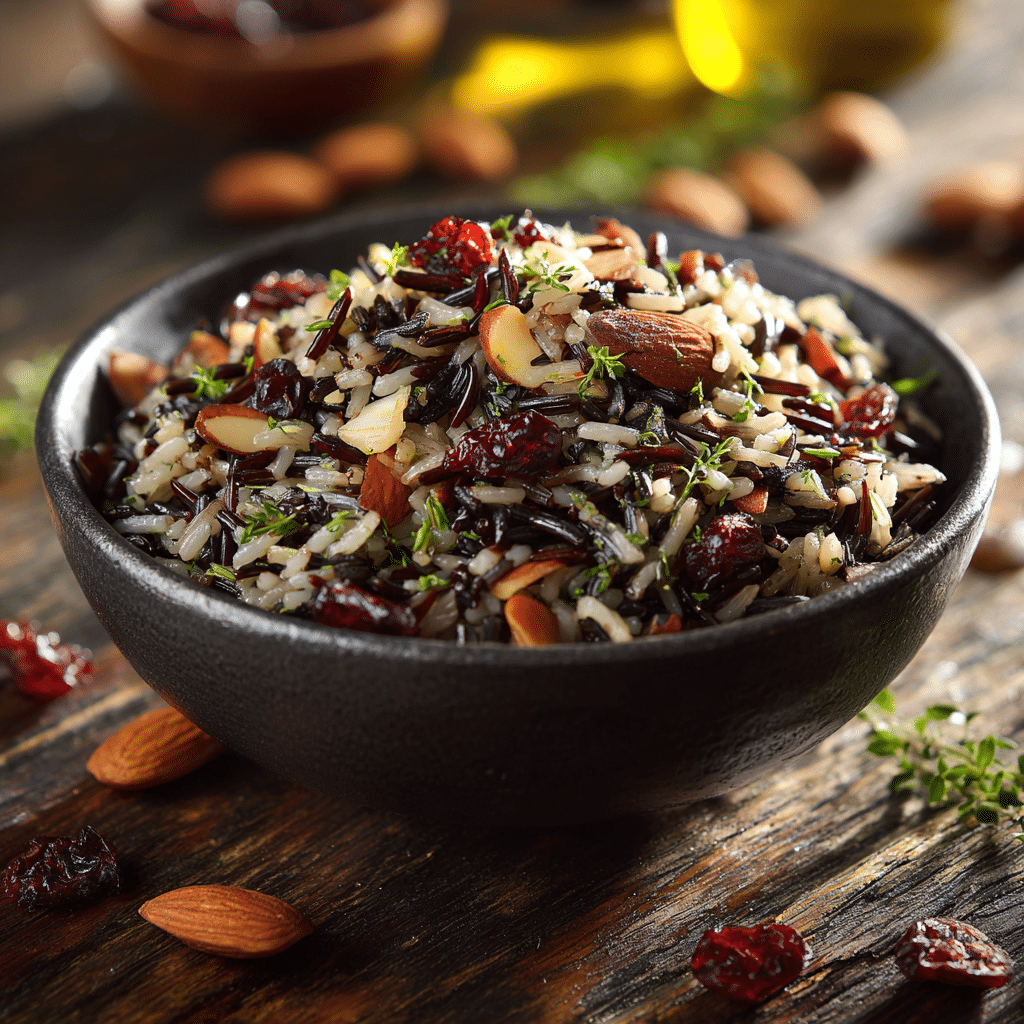
- Nuts and Dried Fruits: These additions elevate rice pilaf to a truly festive dish. Toasted slivered almonds, pine nuts, or pistachios add a delightful crunch and nutty aroma. Golden raisins, dried cranberries, or chopped apricots introduce pockets of sweet-tart flavor, balancing the savory notes beautifully. Be sure to toast nuts lightly before adding for maximum flavor.
- Herbs and Spices: Fresh herbs like parsley, cilantro, or dill, stirred in at the end, brighten the dish with their vibrant flavors. Experiment with different spice blends – a touch of cumin, cinnamon, or even a pinch of allspice can transform the character of your pilaf.
- Noodle Variations: A popular Mediterranean twist involves toasting a small amount of broken vermicelli pasta along with the rice. This adds another layer of texture and a unique visual appeal.
Whether you're aiming for a simple, elegant accompaniment or a show-stopping centerpiece, the flexibility of the
rice pilaf technique means you can easily tailor it to your taste. For detailed guidance on incorporating these creative elements, explore
Mastering Rice Pilaf: Simple Steps for a Versatile Side Dish.
Mastering the Art: Tips for Fluffy, Flavorful Rice Pilaf Every Time
Achieving that perfect fluffy, separate-grained
rice pilaf isn't just about the ingredients; it's about technique. Here are some essential tips to ensure your pilaf consistently turns out beautifully:
- Choose the Right Rice: Long-grain rice varieties like Basmati or Jasmine are ideal for pilaf due to their lower starch content and tendency to cook into distinct, separate grains. Avoid short-grain or sushi rice, which are designed to be sticky.
- Toasting is Key (Don't Skip It!): As discussed, this step is non-negotiable. Sauté the rice until it's lightly golden and emits a nutty aroma. This develops flavor and prevents stickiness.
- Perfect Liquid-to-Rice Ratio: The general rule for long-grain rice is often 1.5 to 2 cups of liquid for every 1 cup of rice, but this can vary slightly depending on the specific rice and desired texture. Pay attention to your recipe's recommendations. Too much liquid leads to mushy rice; too little leaves it undercooked.
- Bring Liquid to a Simmer Before Adding Rice: While some recipes add cold broth, bringing the broth to a gentle simmer or boil before adding it to the toasted rice ensures more even cooking and helps regulate the temperature more effectively.
- Gentle Simmer, Not a Rolling Boil: Once the liquid is added and brought back to a boil, immediately reduce the heat to a very low simmer. A violent boil can cause the grains to break and become mushy.
- The Lid is Your Best Friend: Once simmering, cover the pot tightly. Resist the urge to peek! The steam trapped inside is crucial for cooking the rice evenly and thoroughly. Lifting the lid releases this precious steam and extends cooking time.
- Rest, Then Fluff: After the cooking time is up (usually 15-20 minutes, depending on the rice), remove the pot from the heat and let it rest, still covered, for another 5-10 minutes. This allows the residual steam to finish cooking the rice and redistribute moisture, leading to perfectly fluffy grains. Finally, fluff gently with a fork – never stir vigorously, as this can break the grains.
- Consider Baking: For a truly foolproof method, especially if you struggle with stovetop rice, try a baked rice pilaf. The consistent, gentle heat of the oven often results in incredibly tender and separate grains without the risk of burning or uneven cooking.
By following these simple yet crucial tips, you'll be well on your way to creating consistently delicious, fluffy, and flavorful
rice pilaf that will impress family and guests alike.
Conclusion
From its humble origins to its revered status in global cuisines,
rice pilaf offers a culinary journey beyond ordinary steamed rice. It’s a testament to how simple techniques – the magic of toasting and the richness of broth – can elevate an everyday ingredient into a truly special dish. Whether you're exploring its classic Middle Eastern roots with warming spices and toasted nuts, or crafting a simple yet elegant side for a weeknight meal, the versatility of pilaf is unmatched. So, step into your kitchen, embrace this ancient yet timeless method, and unlock the rich flavors that await. Your rice game will never be the same again!