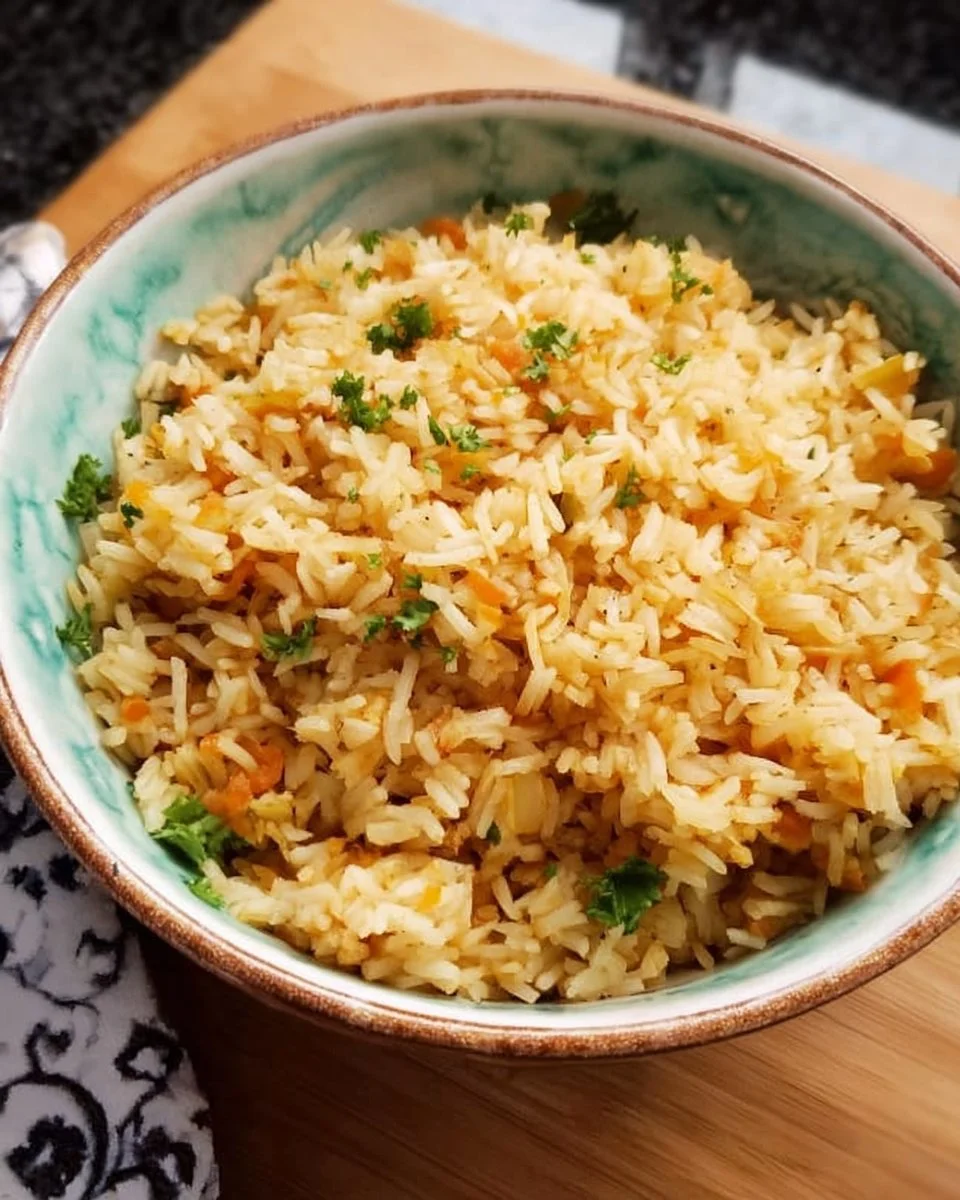
Easy Rice Pilaf: Your Secret to Fluffy, Flavorful Grains Every Time
Tired of serving plain, uninspired rice? Imagine a side dish that elevates any meal, offering a delightful texture and a burst of savory flavor, all while being surprisingly simple to prepare. That's the magic of rice pilaf. More than just cooked rice, pilaf is a culinary technique that transforms humble grains into a memorable experience, perfect for busy weeknights or impressive holiday spreads. It's the ultimate go-to for those who want to get consistently fluffy, perfectly separated, and incredibly flavorful rice without a rice cooker. At its heart, rice pilaf is a testament to how a few simple steps can unlock profound flavor. By toasting the rice in butter or oil before simmering it in aromatic broth, you create a dish that boasts depth, richness, and an irresistible nutty aroma. It's a method cherished across cultures, particularly in Mediterranean and Middle Eastern cuisines, where home cooks have perfected the art of turning everyday rice into a celebration. If you're ready to take your rice game to the next level and impress your family and friends, you've come to the right place.What Exactly is Rice Pilaf? Unveiling the Magic Behind Fluffy Grains
So, what makes rice pilaf distinct from just boiling rice? The secret lies in a foundational technique that has been perfected over centuries: toasting the grains. This isn't just an extra step; it's the very soul of pilaf, responsible for its unique texture and profound flavor. Here's a breakdown of the core principles: * The Sautéing/Toasting Phase: Before any liquid is added, the dry rice grains are gently sautéed in a fat – typically butter, olive oil, or a combination. This crucial step accomplishes several things: * **Nutty Flavor Development:** Heat causes the starches in the rice to lightly caramelize, developing a wonderful, subtle nutty flavor that permeates every grain. * **Enhanced Texture & Separation:** The fat coats each individual grain, creating a protective barrier. This barrier helps prevent the starches from leaching out excessively during cooking, leading to beautifully separate, non-sticky grains rather than a clumpy mass. It also seals in the grain's structure, contributing to that desirable fluffy texture. * **Cooking in Broth, Not Just Water:** While some recipes might use water, a true pilaf gains much of its character from being simmered in a flavorful liquid like chicken, vegetable, or even beef broth. This infuses the rice with a richness and depth that plain water simply can't provide. The savory notes from the broth meld with the toasted rice, creating a complex and satisfying taste profile. * Aromatics and Seasonings: Beyond the rice and broth, pilaf often incorporates aromatics like finely diced onions and garlic, sautéed alongside the rice. These ingredients lay a foundational layer of flavor, which can then be further enhanced with various spices – from simple salt and pepper to warming Middle Eastern blends featuring turmeric, coriander, and paprika. This combination of toasting, flavorful liquid, and aromatics transforms plain rice into a sophisticated side dish that is far more than the sum of its parts. The result is consistently fluffy, tender grains, each infused with deliciousness and standing proudly apart from its neighbors.The Essential Ingredients for a Perfect Pilaf Base
While rice pilaf is wonderfully versatile, a few key ingredients form its foundational structure. Understanding each component ensures you build a robust and flavorful base every time. * The Rice: The star of the show. Long-grain white rice is generally preferred for pilaf due to its lower starch content, which contributes to separate grains. Basmati rice is an excellent choice, known for its fragrant aroma and distinct, elongated grains that cook up incredibly fluffy. Always rinse your rice thoroughly under cold running water until the water runs clear. This removes excess surface starch, which is vital for preventing stickiness and achieving that coveted fluffy texture. * The Fat: This is where the initial flavor building begins. * Butter: Provides a rich, classic, and deeply comforting flavor. It's a traditional choice for many pilaf recipes. * Olive Oil: Especially good quality extra virgin olive oil, offers a fruitier, more robust flavor profile. It's also a fantastic option for a Mediterranean Diet-friendly version, adding a wonderful depth that complements many dishes. You can also use a combination of both for the best of both worlds. * The Aromatics: These are your flavor workhorses, laying a savory foundation. * Onions: Finely diced yellow or white onions are sautéed until translucent and sweet, releasing their aromatic compounds. * Garlic: Minced garlic adds a pungent, savory kick that brightens the overall flavor. * The Liquid: The broth is paramount for infusing flavor. * Broth: Chicken or vegetable broth are the most common choices. Opt for low-sodium varieties so you can control the seasoning. The broth not only cooks the rice but also imparts a savory richness that plain water cannot replicate. * Water: While less flavorful, water can be used, but you'll need to compensate with more robust seasoning. * Seasonings: Don't underestimate the power of simple seasonings. Salt is essential for bringing out all the other flavors. Freshly ground black pepper adds a touch of subtle heat. From this basic platform, you can build an infinite array of flavor profiles.Mastering the Technique: Step-by-Step to Fluffy Perfection
Creating a perfectly fluffy and flavorful rice pilaf is more about technique than complexity. Follow these steps, and you'll achieve restaurant-quality results in your own kitchen. 1.Prepare Your Ingredients:
- Rinse your rice: Place the desired amount of rice in a fine-mesh sieve and rinse under cold running water until the water runs completely clear. This removes excess starch, crucial for fluffy, separate grains. Let it drain well.
- Chop your aromatics: Finely dice your onion and mince your garlic. Measure out your broth and any additional spices.
The Sauté (Toasting):
- In a heavy-bottomed pot or Dutch oven (with a tight-fitting lid), melt your butter or heat your olive oil over medium heat.
- Add the diced onions and sauté for 3-5 minutes until softened and translucent. Add the minced garlic and cook for another minute until fragrant (be careful not to burn the garlic).
- Add the rinsed and drained rice to the pot. Stir continuously for 3-5 minutes, allowing the rice to toast. You'll notice the grains becoming slightly translucent around the edges and developing a nutty aroma. This is the coating and flavor-building step.
- If using dry spices (like turmeric, coriander, paprika), add them now and stir for another minute until fragrant, allowing them to bloom in the hot fat.
Add Liquid & Simmer:
- Pour in your hot broth (or water). For most long-grain white rice, a common ratio is 1 part rice to 2 parts liquid, but always check your rice package instructions.
- Add salt and pepper to taste. Bring the mixture to a rolling boil, stirring once or twice.
- Immediately reduce the heat to the lowest setting, cover the pot tightly with the lid, and let it simmer undisturbed for 15-20 minutes, or according to your rice package directions. Do not lift the lid during this time! This allows the steam to cook the rice evenly.
The Crucial Resting Phase:
- Once the cooking time is up, turn off the heat but keep the pot covered. Let the pilaf rest for another 5-10 minutes. This resting period is critical as it allows the remaining steam to redistribute moisture, resulting in perfectly tender, separate, and evenly cooked grains. Skipping this step can lead to gummy or unevenly cooked rice.
Fluff and Serve:
- Remove the lid and gently fluff the rice with a fork. Avoid stirring too vigorously, which can break the grains.
- Serve hot as a delicious side dish.
For a hands-off approach, you can even make baked rice pilaf! Once the initial sautéing is done, transfer the mixture to a baking dish, cover tightly with foil, and bake until perfectly tender. It's a foolproof method that consistently delivers beautifully cooked grains.
